How the Design-Build Approach Saves You Time and Money
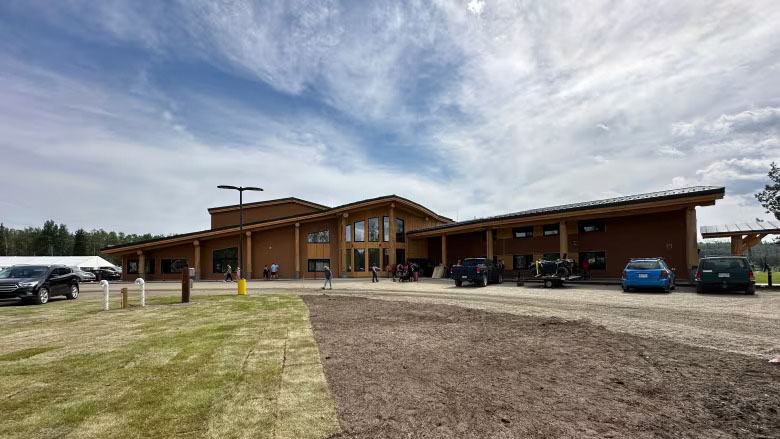
From major hotel renovations to 120,000+ square foot industrial spaces, large construction projects are massive investments that risk higher costs and missed deadlines. Because delays hurt your revenue and ROI, getting a firm handle on time and budget is crucial. The Design-Build method solves this by bringing design and construction together, offering a clear, single-source solution for predictable results and certainty for your long-term goals.
The Integrated Advantage of Design-Build
Instead of managing separate contracts for the designer and the contractor, the Design-Build approach puts both critical jobs under a single, unified contract. This integrated way of working ensures clear responsibility, constant teamwork, and one shared focus on the final objective from the project’s start.
Teamwork Drives Budget Accuracy
A key benefit of Design-Build is immediately forming a single, collaborative team—including the client, designer, and construction partner—working together from day one. This helps match the project’s look and feel and functional needs with what the budget allows, respecting the original design idea without overspending.
For many, the greatest uncertainty is project costs. In traditional models, the final design may be too expensive, forcing costly and time-consuming redesigns. With the integrated Design-Build approach, the project team provides real-time cost insights.
Early Price Validation: As the architectural design takes shape, construction experts are simultaneously estimating costs for materials, labour, and specific systems. This makes sure the design is immediately grounded in what you can actually afford and matches your budget from the earliest sketches. This process also brings key trades into the conversation early, ensuring their specialized service costs are accurate, giving them clarity from the start.
Preventing Unexpected Costs: The integrated team looks ahead at material and system options, searching for structural and operational efficiencies. This early review minimizes the risk of expensive, last-minute change orders. By involving construction engineering expertise early, the team avoids unforeseen technical problems, ensuring transparency and keeping the budget aligned with the project goals.
Overlapping Phases Accelerate the Schedule
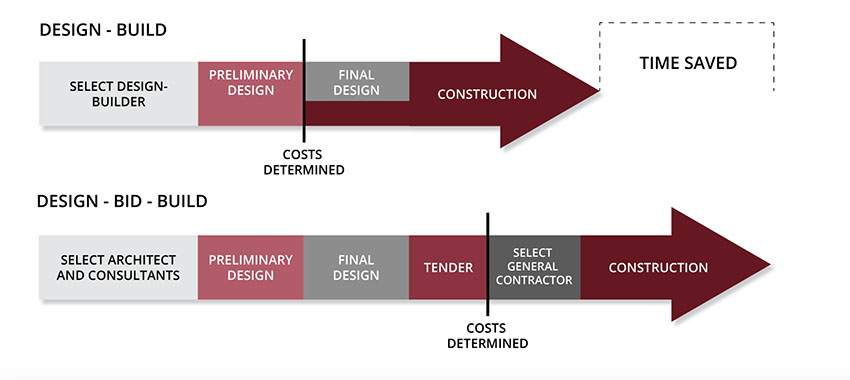
The Design-Build method significantly cuts down the overall project timeline by doing things in phases—or "fast-tracking." This ability to tailor the right teams and processes is key to efficient delivery.
Instead of waiting for the design drawings to be 100% finished before any construction can start, the team can strategically overlap the phases. Site work, foundations, and ordering materials that take a long time to arrive can begin while the final interior and finish details are still being completed. This overlapping of design and construction can save weeks or months, which is crucial for teams relying on tight deadlines. Having one entity responsible for both design and construction also greatly improves clear communication and efficient coordination.
Early Detection Reduces Delays
Design-Build dramatically reduces delays because construction and engineering expertise constantly review the design. This continuous alignment and precision are essential for a smooth project flow.
Constructability Review: The integrated team makes sure every design choice is practical and efficient to build, solving potential on-site challenges before construction even begins. This means fewer roadblocks for trades and less unexpected pressure for project managers.
Seamless Transition: By aligning all teams, including designers and specialized trades, the process ensures better long-term building performance and a smoother handover. This guarantees the final structure meets operational goals.
Lasting Value and Control
The benefits of Design-Build go beyond just the initial construction timeline and cost savings. Getting the entire construction team involved early allows for the selection of materials and systems that offer better value:
Lifecycle Costing: The process focuses on solutions that reduce ongoing costs, like energy use and maintenance, maximizing your ROI. The goal is to make sure the final structure supports your long-term success and minimizes future expenses.
Increased Project Quality: Through continuous collaboration and early input from all parties, the final structure is not only built correctly but also works better than expected. The result is a highly efficient, lasting structure that truly reflects your original goals.
Choose Certainty: Partnering for Predictable Results
We understand the challenges: the fear of unpredictable costs, delays, and a lack of transparency. Johnston Builders is committed to bringing your objectives, our team’s expertise, and our trusted partners’ strengths together to ensure a clear, efficient, and successful project journey.
Discover the certainty that working together provides. Contact Johnston Builders today to explore how our Design-Build service can guarantee the predictable time and cost control your next investment requires.