
Effective Budgeting and Cost Control in Construction Management
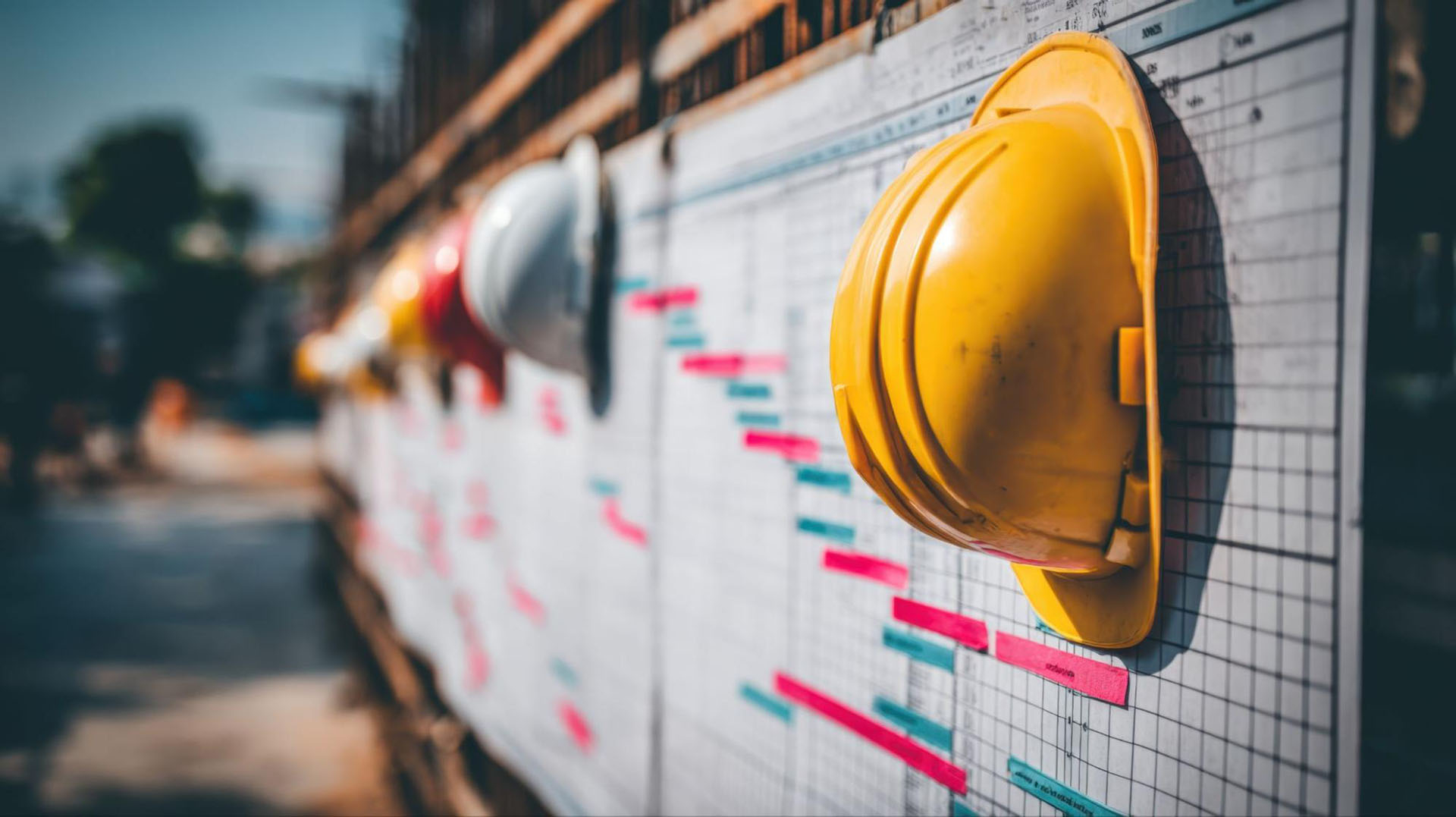
Construction management begins with knowing your project will finish on time and on budget. When unexpected costs come up or schedules slide, a successful investment quickly becomes a financial risk. Cost overruns immediately hurt your cash flow and ROI, and delays push back when you can start earning revenue. That’s why managing the money is critical for turning a blueprint into a successful, profit-earning building.
Construction Management: Building Predictability from Day One
To know your final cost, you must include cost control at every step, starting long before we break ground. This means the budget shouldn’t be a set document, but a key strategic tool that changes as the project details become clearer.
Creating Realistic Budgets at Every Stage
A professional construction management team works with the client and design partners to create budgets that get more accurate as the design moves forward:
Conceptual Stage: This first estimate uses historical data and project size to set the initial financial size. Its main job is to check if the project is possible to afford.
Schematic Stage: As initial design ideas are chosen, the team makes the budget clearer by using unit pricing and checking early structural systems. This gives a better view of the project’s financial limits.
Detailed Design and Procurement: When plans are almost final, the budget is fine-tuned based on specific materials, confirmed bids from subcontractors, and final engineering needs. This stage offers the most certain final cost.
By always adding construction knowledge into the design process, the team makes sure the project’s look, feel, and function always match what the budget allows.
Getting Involved Early Avoids Financial Problems
The best way to control costs is to fix problems before they happen. By bringing a construction expert into the early phase, everyone involved gets access to real-time financial facts. This early involvement helps avoid major money problems later in the build.
This proactive approach prevents a main cause of budget failure: surprise expenses. When design and building stay separate until later stages, designs can easily cost too much, forcing expensive, time-consuming redesigns. When construction managers are involved early, they give cost feedback right away, allowing the team to make budget-conscious adjustments instantly. This ensures the final design is financially sound before spending large amounts of money.

Strategies to Save Money Without Losing Quality
Cost saving doesn’t have to mean cutting quality. The goal is to improve value, not just cut costs. This practice, known as Value Engineering, is a planned review that finds ways to keep the function and make it better or cheaper overall.
Strategies for saving money while preserving—or enhancing—quality include:
Material Alternatives: Checking for replacement materials that work and last just as well as the specified options but come at a better price. This requires expertise to ensure we don’t accidentally create higher long-term maintenance needs.
System Optimization: We review the structural, mechanical, and electrical systems. Often, small changes in system type or setup can lead to big savings in both installation costs and long-term energy use (Lifecycle Costing).
Constructability Review: The integrated team checks the design to make sure it is practical and efficient to build. Simplifying complex connections or construction sequences saves labour hours and reduces the chance of expensive on-site mistakes.
When construction knowledge guides these decisions early on, the project achieves a better balance of quality, function, and investment.
The Advantage of Clear Financial Tracking
Once building begins, keeping clear track of the money is essential for preventing the budget from drifting off course. Transparency and responsibility throughout the build give everyone peace of mind and allow for quick action if financial issues pop up.
A strong financial tracking system offers:
Managing Changes: Unexpected site issues or client requests can lead to changes. A clear system makes sure every change order is fully recorded, priced, and approved before any work starts. This prevents budget surprises.
Managing Backup Funds: The project contingency—money set aside for unexpected problems—needs careful management. Regular, clear financial reports help the team decide how to use this fund and make sure that money isn’t used up too soon.
Trade Coordination and Payment: Clear tracking ensures key trades are paid on time. This builds strong relationships and smooth workflow, which avoids schedule delays and keeps the project efficient overall.
This detailed financial control allows all parties—from the owner to the project manager—to receive objective, up-to-date information, making it easier to meet stakeholder expectations.

Johnston Builders: Delivering Budget Certainty
Early, integrated budgeting is key to finishing construction projects on time. By setting clear financial plans from the start, organizations can protect their investments and improve long-term value.
At Johnston Builders, we focus on aligning your goals with our skills and trusted partners to ensure a successful project. Our teamwork approach leads to positive outcomes and strong relationships across Western Canada. Contact Johnston Builders to learn how we can help keep your project predictable, efficient, and on budget.